
Teach It Once. Stop Paying to Teach It Again.
Storimatic Studio builds training video libraries for Calgary businesses. Your procedures filmed where and when the work actually happens, so every new hire learns the same right way without pulling a manager off the job.
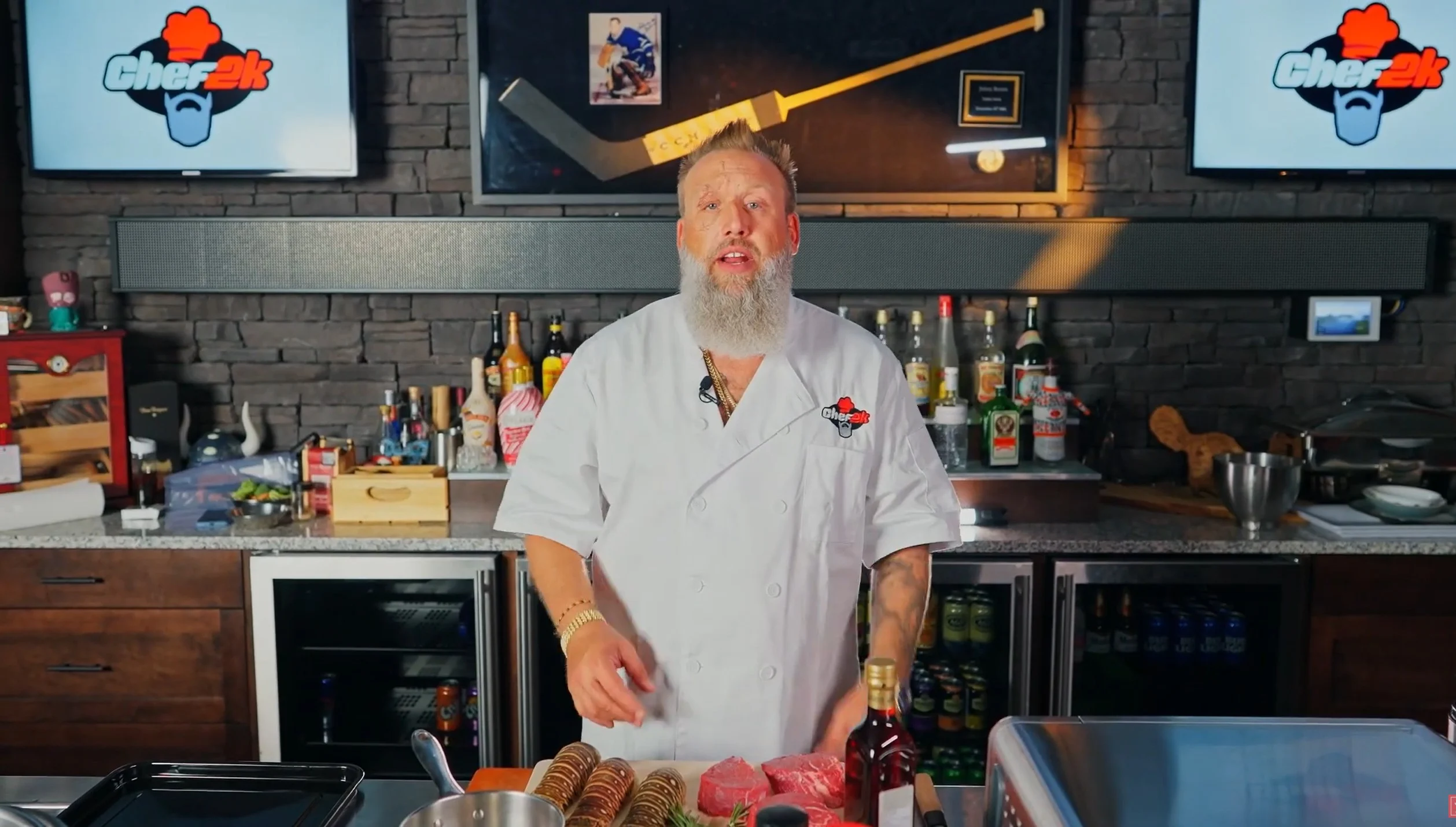




Training Libraries We've Built
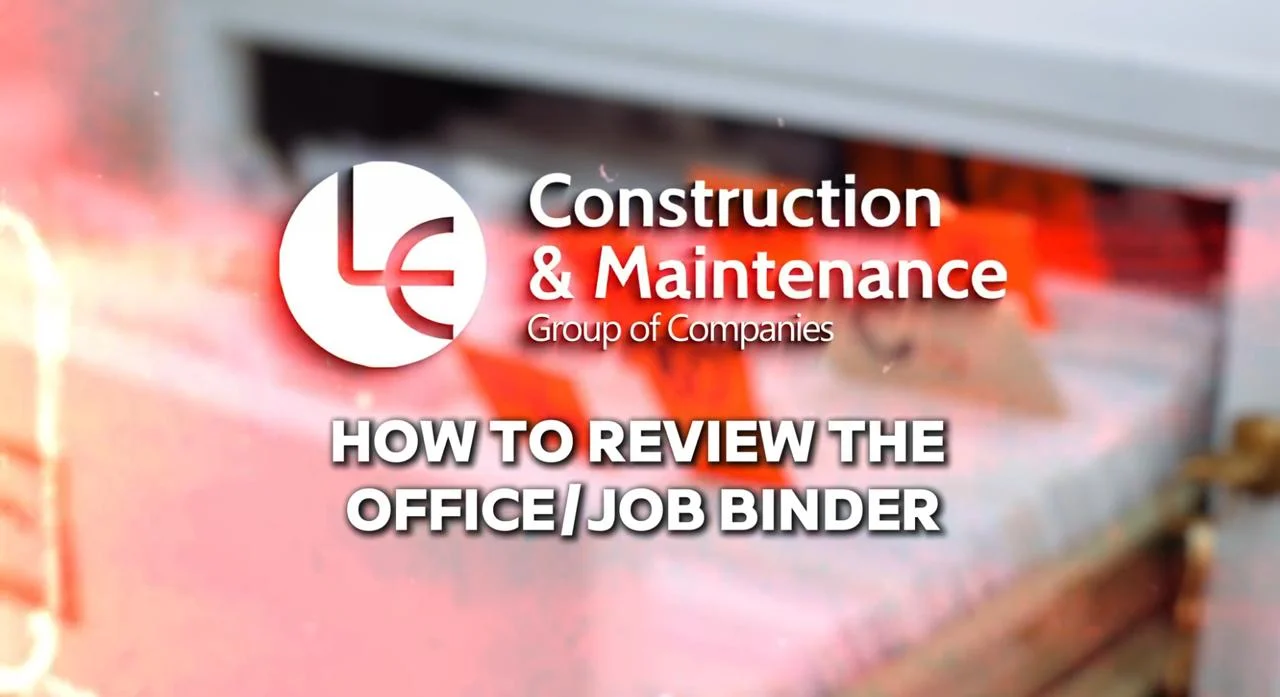
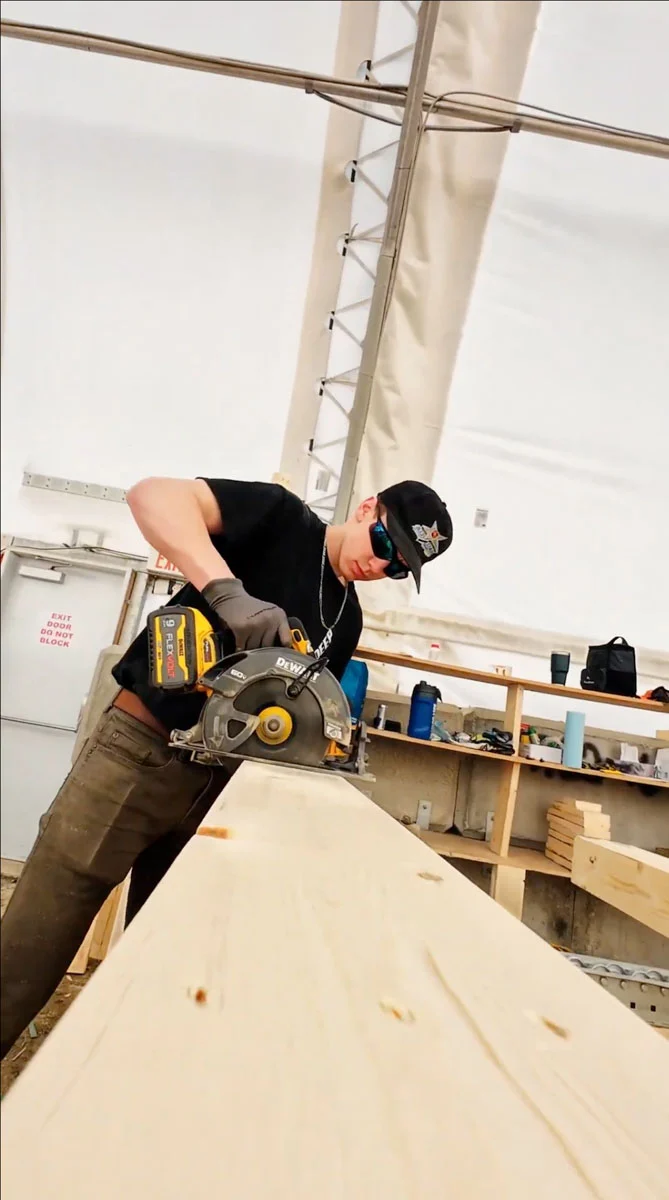
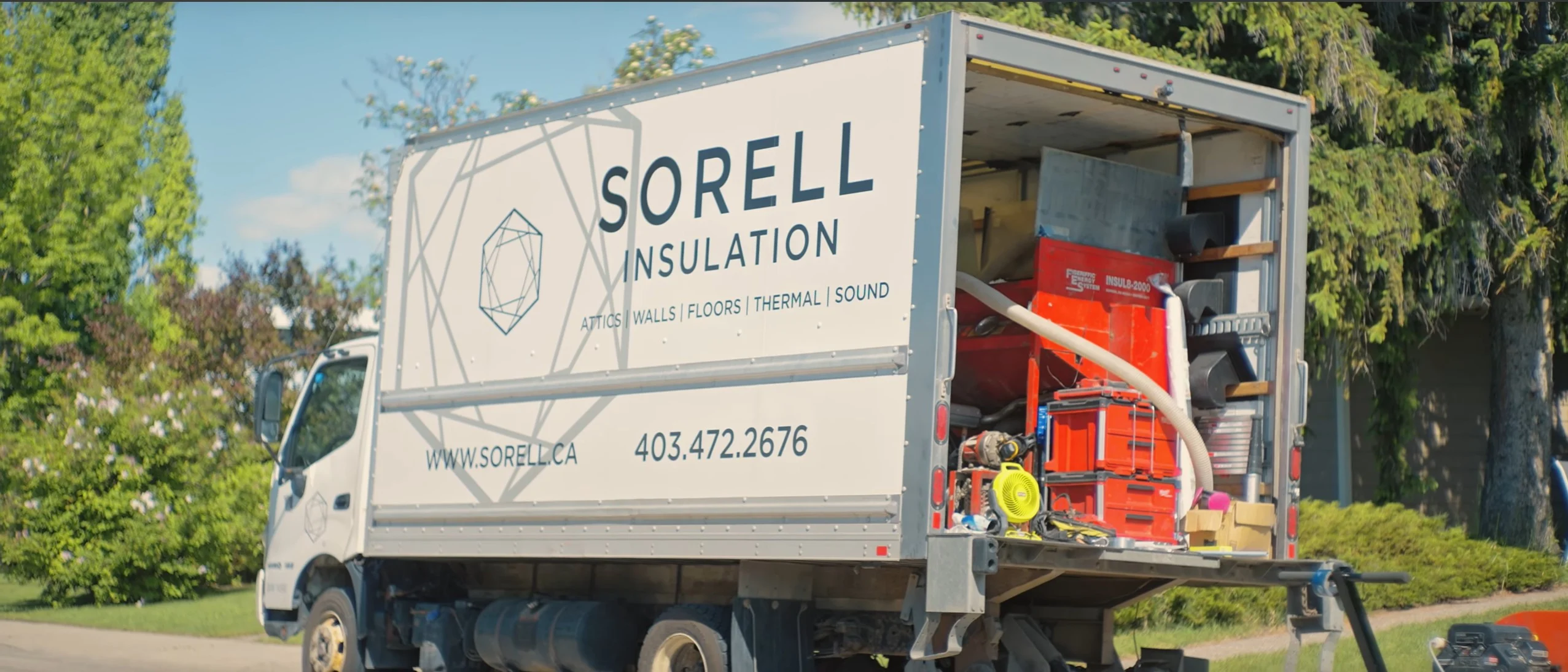
Procedures, Thirty Seconds at a Time
The vertical cuts that go on the crew channel or the group chat, where a refresher gets watched instead of filed.
The Same Lesson, Every Single Time
Every crew gets the same lesson
Live training drifts. A busy Tuesday version is not the Friday version, and the third trainer teaches it their way. A recording removes the drift entirely.
Learning that runs at 2 a.m.
Training video works whenever the shift does, on any device. New hires start on day one instead of waiting for the next scheduled session.
One recording, every future hire
The cost sits in a single production rather than repeating with every season, every crew and every year. Managers stay on the job instead of teaching.
You Are Paying Managers to Repeat Themselves
Seasonal hiring means the same procedures taught live, over and over, by the people who should be running the work. The knowledge already exists in your business. It is just locked inside the people who are too busy to keep teaching it.
Projects completed across Alberta
Reduction in training cost claimed for video over repeated live sessions
The hour we filmed LECM's snow removal procedures, because that is when they happen
The 60% figure comes from published training research. Replace this line with the study name and year, or drop the figure, before publishing.
Six Kinds of Training Library
Employee onboarding
Get new hires productive faster with a consistent first week that does not depend on who is free to teach it.
Safety training
Compliant safety content for construction, industrial and commercial sites, filmed in the conditions the work actually happens in.
Product training
Clear visual demonstrations for customers and sales teams, which cuts the support calls that start with how do I.
Software tutorials
Step by step screen and process video that raises adoption instead of leaving people guessing at a manual.
Customer education
Self-serve training that answers the same question once, publicly, instead of twenty times by email.
Compliance training
HR policy and regulatory content recorded properly, with a completion record you can actually produce when asked.
Curriculum First, Camera Second
Map the curriculum first
We work out what has to be taught and in what order before anything is filmed, because a training library is a syllabus, not a pile of clips.
You getA lesson map and a shoot schedule, agreed with your teamYou approve every procedure
Each step is signed off by the people who own it before the camera comes out. That is the difference between training that is exactly right and training that is roughly right.
You getWritten sign-off on every procedure being filmedFilmed where the work happens
On site, at the real hour, in the real conditions. For LECM's snow removal that meant a 2 a.m. start. Staged studio footage teaches what a task looks like; real footage teaches how to do it.
You getThe finished library, captioned, chaptered and ready to uploadWhat Employees Actually Retain
Written procedures still have their place. For teaching a physical task to a new crew, they lose on every count that matters.
| What you need | Written manual | Training video |
|---|---|---|
| Retention a week later | Roughly 10% from text | Closer to 65% from video |
| Consistency across shifts and locations | Varies by trainer | Identical every time |
| Time required from senior staff | Repeated in-person sessions | One recording, unlimited plays |
| Demonstrating a hands-on task | Hard to describe in writing | Native to video |
| Updating when the procedure changes | Reprint and redistribute | Edit and republish |
| Measurable completion and scoring | Manual checklists | LMS analytics |
A manual gets read once. A training video gets watched, re-watched and quizzed against.
Training Video, Answered
01How much does a training video cost in Calgary?+
It depends on how many procedures you need covered and how many shoot days that takes. Pricing is quoted in writing after a free 30 minute call, before any work starts, and a library is usually filmed in batches rather than all at once.
02Can you film on an active site or during a real shift?+
Yes, and it is usually better. For LECM's snow and ice procedures that meant filming at 2 and 3 in the morning, because that is when the work happens. Footage of the real conditions teaches what a studio version cannot.
03How do you make sure the training is accurate?+
You approve every procedure in writing before it is filmed. We map the lessons, your team signs them off, and only then does the camera come out. That order is what keeps a library correct rather than merely watchable.
04What happens when a procedure changes?+
We re-shoot the affected lesson and republish it. That is the practical advantage over a printed manual, where a change means reprinting and redistributing to everyone who has the old copy.
05Can the videos work with our LMS?+
Yes. Files are delivered in standard formats with captions, so they upload to any learning system that accepts video, and completion and quiz scoring is handled by your LMS rather than by us.
06How long should each training video be?+
One procedure per video, usually two to six minutes. Long combined videos get skipped and are painful to update, because changing one step means re-cutting the whole thing.
07Do you work outside Calgary?+
Yes. Storimatic Studio shoots across Alberta including Airdrie, Cochrane, Okotoks, Chestermere, Red Deer, Lethbridge, Canmore, Banff and Edmonton. Travel outside Calgary is quoted up front.
Still Training Every Hire From Scratch?
Book a 30 minute call. We will map the procedures worth capturing and build the library that teaches them for you, on every shift, from here on.