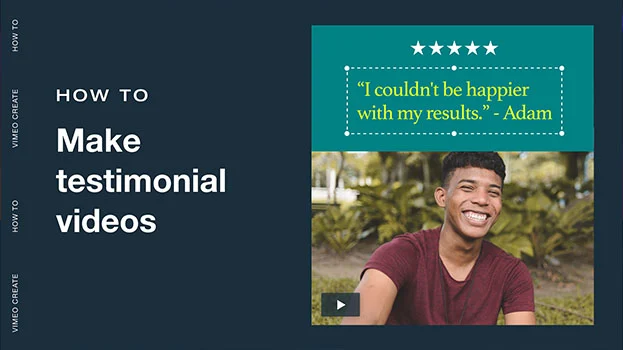
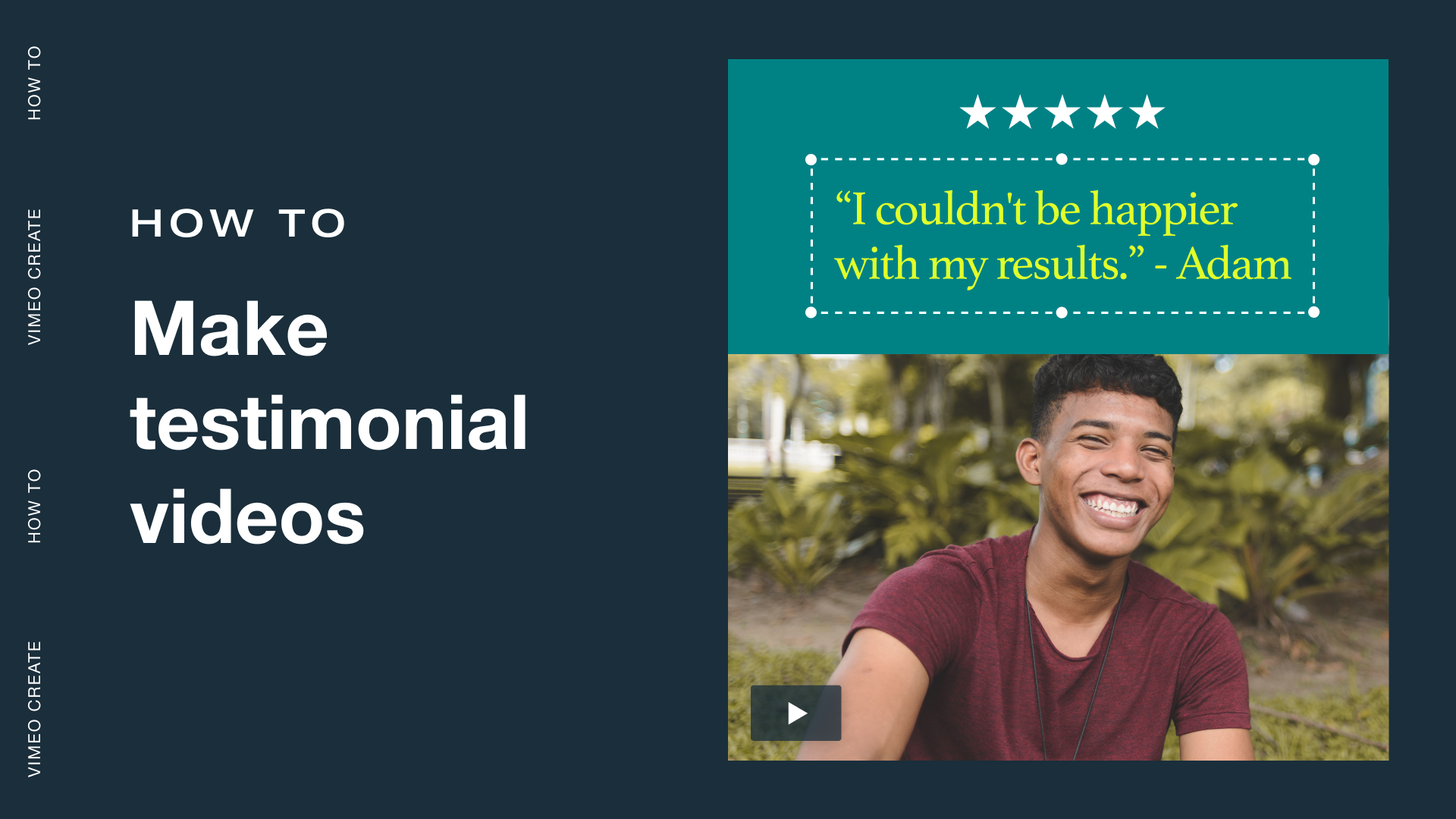
In today’s digital age, testimonial videos have become one of the most trusted and effective marketing tools for any brand. Whether you’re a startup trying to gain traction or an established company strengthening customer loyalty, real customer stories on camera build credibility in a way no written review can. According to Wyzowl’s 2024 report, 79% of consumers say watching testimonial videos has convinced them to purchase a product or service. That’s the power of authentic storytelling in action.
Key Takeaways
- Learn how to create a powerful testimonial video in six clear steps, from purpose to distribution.
- 79% of consumers say a testimonial video has convinced them to buy a product or service.
- Choose the right customer, craft a simple story arc, and ask questions that inspire authentic answers.
- Edit for emotion, add subtitles and branding, then distribute strategically in 2026.
At Storimatic Studio, we’ve helped hundreds of businesses capture genuine customer experiences through professional video production. In this guide, we’ll walk you step-by-step through how to create a powerful testimonial video — from planning and filming to editing and publishing — so you can turn your satisfied customers into your strongest advocates.

Why Testimonial Videos Are So Effective
Before we jump into production, it’s essential to understand why testimonial videos work so well. Humans are social creatures — we trust other people’s experiences more than any brand message. This is why testimonial videos, which combine emotion, voice, and visuals, outperform written testimonials by a wide margin.
The Power of Social Proof in Marketing
Social proof is a psychological phenomenon where people look to others when making decisions. In marketing, this means potential customers rely on existing clients’ experiences to decide whether they should trust a brand. According to Nielsen, 92% of consumers trust recommendations from people — even if they don’t know them personally — more than traditional ads.
When those recommendations come in video form, the impact is multiplied. Viewers see real expressions, hear genuine tone, and witness emotional sincerity. This blend of authenticity and relatability makes testimonial videos uniquely persuasive. It’s not just what people say; it’s how they say it — and video captures that nuance perfectly.
Emotional Connection Through Real Faces and Voices
Video allows brands to humanize their message. A satisfied customer speaking passionately about their experience can spark empathy and trust far more effectively than a static quote on a webpage. A well-crafted testimonial video doesn’t just state facts — it conveys emotion. And emotion drives memory and action.
For instance, HubSpot often features their clients in short, engaging videos where customers describe how the software transformed their marketing processes. These videos aren’t heavily scripted or overproduced — they feel real. That’s what connects viewers to the brand on a human level.
“People don’t buy from brands; they buy from people they trust.” — MarketingProfs, 2024

Step 1 – Define Your Purpose and Audience
Like any good marketing initiative, a successful testimonial video starts with strategy. You need to know exactly what you want the video to achieve and who it’s for. Without clarity, even the best visuals will miss the mark.
Identify the Goal of Your Testimonial
Ask yourself: What action do I want viewers to take after watching this video? Your answer will shape every production decision — from the interview questions to the editing style. Common goals include:
- Increase conversions on product pages or landing pages.
- Build credibility for a new service or product line.
- Strengthen brand perception by showing real customer success stories.
- Support recruitment by featuring happy team members or clients.
For example, a SaaS company might want users to see measurable results, while a construction firm might highlight reliability and safety. The clearer your goal, the stronger your story will be.
Choose the Right Customer to Feature
Not all satisfied clients make great on-camera talent. The ideal testimonial subject is someone who:
- Can clearly articulate their experience and results.
- Feels comfortable speaking naturally on camera.
- Represents your target audience — relatable, credible, and authentic.
- Had a real challenge your product or service solved.
Here’s a quick example: if your company offers corporate video production, featuring a marketing director explaining how your video helped them increase leads by 30% will resonate deeply with other business professionals.
Pro Tip: Authenticity beats perfection every time. A genuine story told with passion will always be more persuasive than a perfectly rehearsed script.

Step 2 – Plan the Story and Questions
Once you’ve chosen the right customer, it’s time to plan the story. Every great testimonial video follows a simple narrative arc — a clear beginning, middle, and end. The goal is to show transformation: from the problem they faced before using your service to the success they achieved afterward.
Craft a Simple Story Arc
Think of your testimonial video as a mini success story. Use the following structure to guide your storytelling:
- Before: The customer describes their challenge or frustration before finding your product or service.
- During: They explain how your team or solution helped them overcome the issue.
- After: They highlight the results, outcomes, or emotional relief they experienced.
This framework keeps the message focused and relatable. For instance, a construction company might have a client explaining how their project timelines improved after using your testimonial video documentation. The story is specific, authentic, and result-driven — the perfect combination for credibility.
Prepare Interview Questions That Inspire Authentic Answers
Instead of handing your customer a script, use open-ended questions that encourage honest reflection. Here are a few examples:
- “What challenge were you facing before you found us?”
- “How did our service help solve that problem?”
- “What stood out about working with our team?”
- “How has your business changed since using our solution?”
Keep your tone conversational and positive. Avoid yes/no questions — they tend to produce short, unhelpful answers. Let your subject talk naturally; their personality will bring life to the video.
Pro Tip: Always record a few warm-up questions before the real interview starts. This helps the subject relax, loosen up, and speak more naturally once the camera is rolling.

Step 3 – Set Up the Shoot
Now comes the technical part: filming your testimonial video. Even if you’re using professional equipment, the goal is to create a comfortable and authentic environment where your customer feels relaxed. A well-planned setup ensures great visuals and sound — two elements that can make or break your video’s credibility.
Equipment Checklist
Before shooting, make sure you have the essentials ready:
- DSLR or mirrorless camera with a prime lens (35mm or 50mm works best)
- Lavalier microphone or shotgun mic for clear audio
- Softbox or natural window light for flattering illumination
- Stable tripod or gimbal for smooth shots
- Simple, non-distracting background related to the customer’s workspace
Good lighting and audio matter more than having the most expensive camera. A well-lit, quiet environment immediately elevates your testimonial’s quality. You can learn more about professional filming setups.
Getting a great performance is all about comfort and rapport. Greet your subject warmly, chat off-camera, and explain the process before recording. Keep your crew minimal to avoid pressure. Encourage them to tell their story in their own words — not to “perform.”
Record multiple takes and angles. This gives you flexibility during editing to cut out awkward pauses or nervous moments. Remember: your goal is to make them look and feel like the hero of their own story.
Continue to the next section for filming techniques, editing strategies, and post-production tips that bring your testimonial video to life.
Step 4 – Film with Purpose
Filming your testimonial video is where all the preparation starts to pay off. The goal is to capture the story with emotion and clarity while keeping the visuals professional yet authentic. A well-executed shoot ensures your message feels real — not staged.
Best Camera Angles for Authenticity
Use a medium close-up frame (from the chest up) to capture facial expressions while maintaining personal space. This angle creates a sense of intimacy without feeling intrusive. Position the camera slightly off-center to follow the “rule of thirds,” which gives a more natural and cinematic composition.
Additionally, record from two angles if possible — one main camera and a secondary angle for variety. This allows you to cut between shots during editing to keep the viewer engaged. Avoid wide shots unless you want to show the environment or context, such as a client’s office, construction site, or workspace.
Capture B-Roll That Enhances the Story
B-roll footage adds visual depth and context to your testimonial. It’s the “supporting” footage that overlays your main interview and helps illustrate the customer’s experience. For example:
- Show the customer using your product or service.
- Include shots of their workspace, team, or happy clients.
- Feature interactions that demonstrate results — like customers at a completed construction project or employees collaborating.
This combination of A-roll (interview) and B-roll keeps your video dynamic and emotionally resonant. Viewers get both the spoken story and the visual proof of success.
Step 5 – Edit for Emotion and Impact
Editing is where the story truly comes alive. Your goal is to craft a tight, emotionally engaging narrative that flows naturally and keeps viewers watching until the end. Each cut, transition, and piece of music should serve a purpose — to build trust and evoke feeling.
Keep It Short and Focused
Attention spans are short. Aim for a testimonial video length between 60–90 seconds. This timeframe is ideal for holding attention on websites and social media. Eliminate filler content and focus on one main story per video. If your subject has multiple strong points, create shorter versions for different platforms.
Add Branding and Subtitles
Subtle branding builds recognition without distracting from the story. Add your company logo in the corner or include a short animated intro/outro. Subtitles are crucial — they make your video accessible and effective even when muted on mobile devices.
Use Music and Color Grading to Evoke Emotion
Background music enhances the emotional tone of your testimonial. Choose tracks that fit your brand personality — upbeat for innovation, calm for trust, or inspiring for transformation. Use color grading to create visual consistency, ensuring your brand colors subtly complement the footage.
Pro Tip: End your video with a clear on-screen call-to-action (CTA), such as “Visit storimaticstudio.com” or “Contact us to start your next video project.”
Step 6 – Distribute Your Testimonial Video Strategically
Even the most beautifully produced video won’t drive results if no one sees it. Strategic distribution ensures your testimonial video reaches the right audience and supports your marketing goals.
Best Platforms to Publish
- Website homepage: Showcase your best testimonials near your product or service sections to build instant trust.
- YouTube and Vimeo: Great for SEO visibility and embedding across channels.
- Social media: Share snippets on LinkedIn, Facebook, and Instagram to attract engagement.
- Landing pages: Add videos to sales or sign-up pages to boost conversions.
- Email campaigns: Include video thumbnails to increase open and click-through rates.
Optimize for SEO and Conversion
Don’t forget to optimize your testimonial video for search engines. Add a descriptive title, keyword-rich description, and schema markup. Include your primary keyword — testimonial video — naturally in the metadata. You can also embed a transcript for better accessibility and SEO performance.
Finally, always end with a CTA that drives viewers to take the next step. For instance:
Contact Storimatic Studio today to create your next testimonial video — one that connects emotionally and converts effectively.
For companies in the construction sector, explore our Progress Reporting Video, showcasing real project examples and safety-focused storytelling techniques tailored for high-risk worksites.
How to Create a Powerful Testimonial Video: Real Examples
| Brand | Focus | Takeaway |
|---|---|---|
| HubSpot | B2B SaaS | Emphasizes measurable results and client voice. |
| Shopify | E-commerce | Leverages emotional storytelling to connect with small business owners. |
| Storimatic Studio | Construction & Corporate | Blends customer interviews with cinematic visuals and project footage. |
Common Mistakes to Avoid
- Over-scripting the testimonial, making it sound robotic.
- Neglecting sound quality — poor audio kills credibility.
- Forgetting to include a CTA or brand context.
- Not optimizing the video for mobile or social platforms.
- Skipping follow-up distribution after publishing.
Each of these errors can reduce the impact of your video. Always prioritize authenticity, clarity, and audience relevance.
Final Checklist Before You Publish
- Is the story authentic and emotionally engaging?
- Is the video short, clear, and brand-consistent?
- Are subtitles, titles, and CTAs included?
- Have you optimized the metadata for SEO?
- Is it published on multiple channels for maximum reach?
Double-check these points to ensure your testimonial video looks professional and performs well across platforms.
Conclusion – Turn Satisfied Clients into Powerful Advocates
Creating a powerful testimonial video is more than just recording kind words — it’s about capturing genuine human stories that connect emotionally and inspire action. From defining your purpose to filming and strategic distribution, each step plays a vital role in shaping perception and trust.
See more information about Website Tutorial Videos from Storimatic Studio!
By partnering with professionals like Storimatic Studio, you ensure your customer stories are told with quality, care, and creativity. Authentic testimonials build relationships, strengthen credibility, and drive measurable business growth.
Ready to showcase your success stories? Contact Storimatic Studio today to create testimonial videos that engage, convert, and inspire.
FAQs About Testimonial Videos
How long should a testimonial video be?
Ideally between 60 and 90 seconds. This length is enough to tell a clear story without losing viewer attention. For deeper case studies, you can extend to 2–3 minutes if the content remains engaging.
Can I film a testimonial video myself?
Yes, but professional production ensures your story looks and sounds credible. Storimatic Studio can handle the entire process — from scripting and filming to editing and publishing — so your brand shines with authenticity.
How much does a testimonial video cost?
Prices vary depending on complexity, location, and equipment. On average, professional testimonial videos range from $800–$3,000. For a detailed breakdown, see our guide: How Much Does a Testimonial Video Cost in 2025?
What’s the ideal tone for a testimonial video?
Authentic and conversational. Avoid scripts that feel promotional — let your customer’s voice and emotions lead the story. The more natural it feels, the more trust it builds.
Where should I publish my testimonial videos?
Post them on your website, YouTube, LinkedIn, and even within email campaigns. Repurpose short clips for reels or ads to extend reach and engagement.
Remember: every happy customer has a story. Let Storimatic Studio help you tell it beautifully.

Written by
Jared Ho
Founder of Storimatic Studio in Calgary. Video production specialist for businesses, with a focus on the construction industry, delivering 750+ projects and 20M+ views for clients. Services include construction video production, corporate video, training video, brand storytelling, and aerial drone footage. Drone-licensed and on-site at every shoot.
Ready to turn this into a video that wins business?
View Calgary Testimonial Video Production →