
Writing a clear and effective Construction Video RFP Template for your next video project can feel daunting. Many construction firms, developers, and project managers know they need high-quality video content, but struggle to outline their expectations in a way that helps them find the right production partner. Without a solid Construction Video RFP, miscommunication, wasted time, and budget overruns are common. This guide provides a detailed Construction Video RFP Template, complete with requirements, budget considerations, and scoring criteria, so you can confidently select the best vendor for your next project. To better understand the role and scope of video in this industry, check out What Is a Construction Video? Scope, Stakeholders, and Use Cases.
We answer these RFPs for a living — this is the same information we ask for before quoting any construction video production in Calgary project.
Key Takeaways
- A construction video RFP template gives vendors clear requirements, budget, and scoring criteria.
- It prevents miscommunication, wasted time, and budget overruns on video projects.
- Include company info, objectives, scope, budget/timeline, and an evaluation matrix.
- Score proposals on expertise, industry fit, creativity, and value, not just lowest price, in 2026.
Why You Need a Construction Video RFP
A well-structured Construction Video RFP Template isn’t just paperwork—it’s the foundation for a successful collaboration between your team and a video production company. Here’s why it matters:
Ensuring Clarity Between Client and Production Team
When you provide a precise outline of your goals, video requirements, and project scope in your Construction Video RFP Template, your vendor can respond with tailored solutions. This clarity reduces the risk of surprises and ensures that everyone is working toward the same vision. For example, if your goal is to create a progress update video for stakeholders, outlining that in your RFP helps the vendor recommend the right style and format.
Saving Time and Avoiding Miscommunication
Without a proper Construction Video RFP, you may receive vague or incomplete proposals. This often leads to back-and-forth emails, delayed timelines, and misaligned expectations. A comprehensive Construction Video RFP Template speeds up the decision-making process by giving vendors the information they need to prepare accurate, detailed proposals from the start.
Setting Measurable Expectations for Outcomes
Defining clear deliverables—such as the number of video edits, expected runtime, or final delivery date—allows you to track progress and hold the vendor accountable. According to a Project Management Institute study, projects with well-defined requirements are 40% more likely to succeed on time and within budget.
Using a Construction Video RFP Template helps:
- Align project goals with vendor capabilities
- Streamline proposal review and vendor comparison
- Ensure transparency in deliverables and costs
Key Components of a Construction Video RFP Template
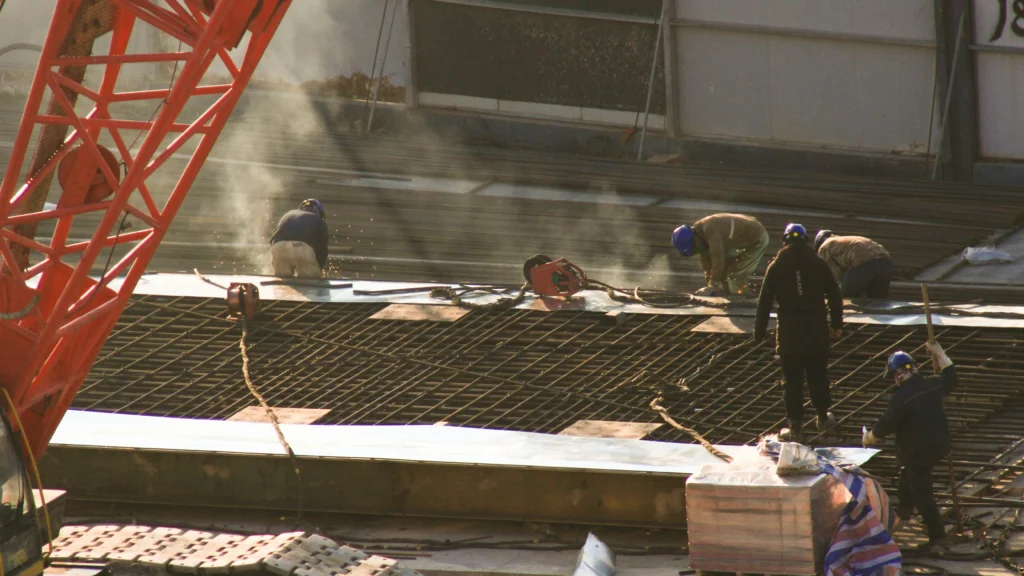
Every effective Construction Video RFP should follow a structured format. Here are the core sections to include when drafting your Construction Video RFP Template:
1. Project Overview and Goals
Start with a concise summary of your construction project and what you hope to achieve with the video. Are you documenting a project milestone, creating a promotional video for investors, or producing safety training content for staff? Defining this upfront ensures vendors understand your intent.
2. Video Requirements (Style, Length, Tone, Deliverables)
Specify the type of video you want. For example:
- Style: Time-lapse, documentary, testimonial, or promotional
- Length: Short-form (1–2 minutes) or long-form (5–10 minutes)
- Tone: Professional, educational, inspiring, or technical
- Deliverables: Raw footage, final edited video, subtitles, or multiple versions
Being specific in your Construction Video RFP Template helps vendors provide accurate cost and timeline estimates.
3. Target Audience & Distribution Channels
Detail who the video is for and where it will be shared. A recruitment video for new employees will look very different from a video designed for social media promotion. Common distribution channels include company websites, YouTube, LinkedIn, trade shows, and internal presentations.
4. Timeline and Deadlines
Provide clear milestones and deadlines. For instance, you might require initial storyboards within two weeks, a draft cut by week four, and the final video by week six. Adding this section to your Construction Video RFP allows production teams to allocate resources properly and prevents last-minute rushes.
5. Submission Guidelines for Vendors
Give vendors clear instructions for submitting their proposals. This could include:
- Preferred format (PDF, online portal, or email submission)
- Required sections (company background, project approach, cost breakdown)
- Submission deadline and contact person
These details ensure consistency across all submissions, making it easier to compare proposals side by side.
Construction Video Budget Considerations

Before you set a number, read what a construction video actually costs in 2026 — six tiers in CAD, from a single jobsite reel to a year-long program. An RFP with an unrealistic budget gets unrealistic bids. Budgeting is one of the most important sections of your construction video RFP. Understanding typical cost ranges and Budgeting is one of the most important sections of your Construction Video RFP Template. Understanding typical cost ranges and where your money will go ensures you get the best value without compromising on quality.
Typical Cost Ranges for Construction Videos
While costs can vary widely depending on scope, most construction videos fall in the range of $3,000–$15,000+. A short testimonial may cost on the lower end, while a multi-location project with drone footage and motion graphics may be on the higher end.
Factors Influencing Budget
Several elements impact the final cost of your video, including:
- Crew size: A single videographer vs. a full production team
- Equipment: Standard cameras vs. drones, cranes, or specialty lenses
- Editing complexity: Basic cut vs. animations, graphics, and sound design
- Location: Single job site vs. multiple locations across regions
Allocating for Revisions and Add-ons
Always budget for revisions. Most production companies include 1–2 rounds of feedback, but additional revisions can add costs. Also, consider optional add-ons such as voiceover, captioning, or translations for multilingual audiences.
Example Budget Breakdown Table
| Category | Estimated Cost Range |
|---|---|
| Pre-production (planning, scriptwriting) | $500 – $2,000 |
| Production (filming, crew, equipment) | $1,500 – $7,000 |
| Post-production (editing, graphics, music) | $1,000 – $5,000 |
| Optional Add-ons (drone, animation, voiceover) | $500 – $2,000 |
By outlining your budget clearly in the RFP, you give vendors the ability to create proposals that fit your financial parameters without unnecessary surprises later.
Scoring Criteria to Evaluate Video Proposals
Once proposals start coming in, it’s essential to evaluate them against clear and objective criteria. A structured scoring system prevents bias and ensures you choose the partner best suited to your project goals.
Technical Expertise & Portfolio Quality
Review each vendor’s past work. Does their portfolio showcase high-quality visuals, clear audio, and professional editing? A company experienced in filming construction sites will understand safety protocols and how to capture complex building processes effectively.
Understanding of Construction Industry
A generalist video agency may not fully grasp the unique challenges of construction projects. Vendors who have prior experience filming construction sites can anticipate logistical issues like site access, safety compliance, and equipment limitations. This expertise often saves valuable time on set.
Creativity & Storytelling Approach
A good construction video is more than just documentation. The best vendors can turn project milestones into compelling stories that resonate with investors, stakeholders, or the public. Look for proposals that include creative concepts aligned with your company’s brand voice.
Budget Alignment & Transparency
Transparency is key. Proposals should include detailed cost breakdowns, clearly outlining what is included and what might incur extra fees. Avoid vendors that present vague or overly generalized pricing—it often leads to budget overruns.
Communication & Responsiveness
During the proposal phase, observe how quickly and clearly a vendor responds to your inquiries. Strong communication early on is often a reliable indicator of how smooth the collaboration will be during the actual project.
- Review sample deliverables and references
- Score proposals based on agreed criteria (technical, creative, budget, communication)
- Rank vendors to identify the top contenders
Sample Construction Video RFP Template (Free Download)
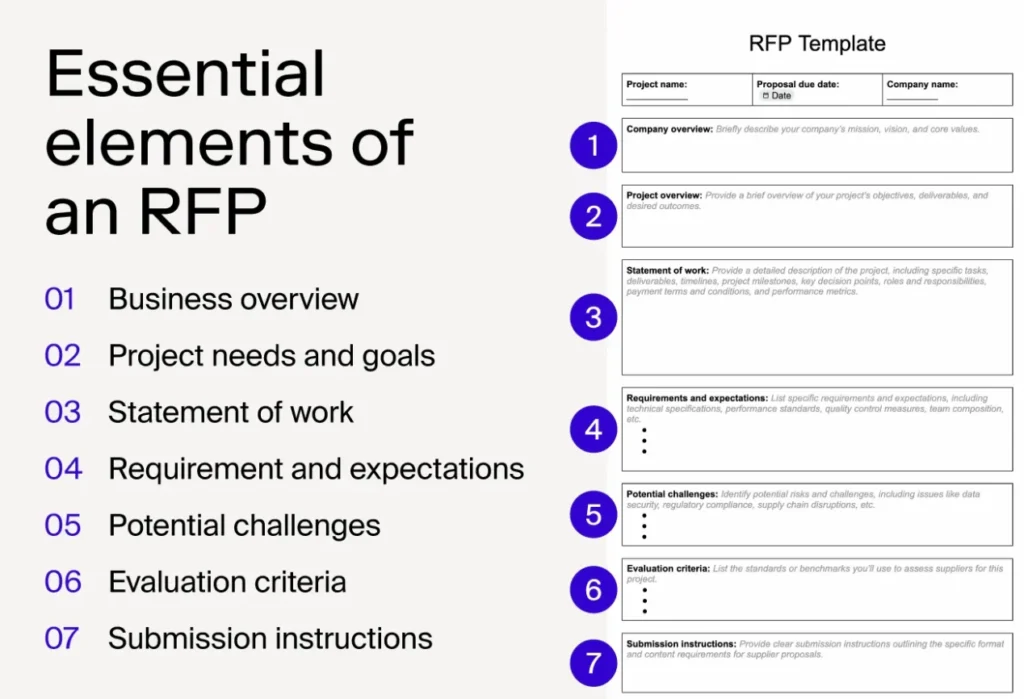
To make things easier, here’s a simple outline you can adapt for your own RFP. This framework ensures you cover all necessary details.
Section 1 – Company Information
Provide a brief background on your construction firm, including company history, mission, and project scope. This context helps vendors tailor their proposals to your values and brand identity.
Section 2 – Project Objectives
Clearly define what you want the video to achieve. Examples include documenting project milestones, showcasing company expertise, or supporting recruitment efforts.
Section 3 – Scope of Work & Deliverables
List specific requirements such as drone footage, interviews, on-site filming, editing, and final deliverables. Indicate preferred formats (e.g., MP4, MOV) and resolutions (e.g., 1080p, 4K).
Section 4 – Budget & Timeline
Provide your estimated budget range and expected deadlines. Transparency allows vendors to propose realistic solutions that fit within your constraints.
Section 5 – Evaluation & Scoring Matrix
Explain how you will assess proposals. For example, 30% for technical expertise, 25% for creativity, 20% for budget alignment, 15% for industry knowledge, and 10% for communication. Sharing this upfront creates fairness and clarity for all vendors.
Tips for Selecting the Right Video Partner
Even with a strong RFP, choosing the right partner requires careful consideration. Here are some best practices:
Checking References and Case Studies
Always ask for references from past clients. Reading testimonials or case studies gives you insight into how a vendor handles deadlines, collaboration, and revisions.
Comparing Proposals with a Scoring Sheet
Create a scoring sheet based on your evaluation criteria. Having a standardized scoring method ensures decisions are objective rather than influenced by subjective preferences.
Choosing Value Over Lowest Cost
While budget is important, the lowest-cost vendor may not deliver the quality you need. Evaluate the overall value, considering creativity, expertise, and long-term partnership potential.
Aligning Long-Term Video Strategy with Vendor
If you plan to create multiple videos over time, it’s best to choose a vendor who can grow with your company. Establishing a long-term relationship ensures consistency in style, branding, and messaging.
Additional Resources Worth Reviewing
- Autodesk – The Construction RFP Process: A Deep Dive — helps understand how RFPs function in construction context.
- Wyzowl Video Marketing Statistics 2025 — validates the growing importance and adoption rates of video marketing.
- HubSpot 2024 Video Marketing Report — provides data on format preferences, ROI, and how businesses are using video effectively.
- Wistia’s State of Video Report — gives benchmarks, trends, and performance insights in video marketing.
- Sprout Social – Social Media Video Statistics 2025 — shows how video content performs across social platforms.
Conclusion: Make Your Construction Video RFP Work for You
A detailed Construction Video RFP template is more than just a document—it’s your blueprint for finding the right video partner. By outlining your requirements, setting realistic budget expectations, and using a structured scoring system, you set your project up for success.
At Storimatic Studio, we specialize in helping construction companies bring their stories to life with professional, high-quality video production. From planning and filming to editing and delivery, our experienced team ensures your project is completed on time and on budget. Contact Storimatic Studio to discuss your RFP and see how we can support your next construction video project.
Frequently Asked Questions (FAQ)
What is an RFP for construction video production?
An RFP (Request for Proposal) is a structured document used to request bids from video production vendors. It outlines project requirements, budget, and evaluation criteria, allowing you to compare proposals fairly.
How much should I budget for a construction video?
Budgets typically range from $3,000 to $15,000+, depending on factors like length, complexity, equipment, and add-ons such as drone footage or animation.
What should I include in my video RFP requirements?
Include project goals, target audience, video style, timeline, budget, and deliverables. The more detail you provide, the better vendors can tailor their proposals.
How do I evaluate and score video production proposals?
Use a scoring system based on technical expertise, industry knowledge, creativity, budget alignment, and communication. Assign weight percentages to each category for fairness.
Can I reuse the same RFP for multiple video projects?
Yes, you can adapt the same template for different projects. However, always update sections like objectives, timelines, and budgets to reflect the unique needs of each project.
Sending this RFP out? You’re welcome to include Storimatic Studio on the list — here’s the full construction video production in Calgary service so you can see the scope before you score it.