Why Toolbox Talk Videos Are Essential?
Every workplace needs regular safety talks, but let’s be honest: traditional toolbox meetings often lose attention fast. Long talks, unclear points, or inconsistent delivery can lead to missed safety messages and lower engagement.
Key Takeaways
- Toolbox talk video scripts turn repetitive safety meetings into short, consistent, engaging videos.
- A strong script runs in five beats: intro, why it matters, key points, demonstration, and a CTA.
- Ready-to-use templates cover PPE, working at heights, manual handling, electrical safety, and housekeeping.
- Keep them short, caption them, and feature real workers for the best results in 2026.
That’s where toolbox talk videos come in.
Short, visual, and consistent, these videos help supervisors deliver safety messages quickly and effectively, even on busy job sites. They save time, maintain compliance, and ensure every worker receives the same clear information every time.
At Storimatic, we specialize in creating professional Construction Marketing Videos that make safety communication simple, engaging, and ready to use in the field.
Safety doesn’t have to be boring; it just has to be clear.

If your organization already uses Safety Induction Videos, adding toolbox talk videos will help maintain ongoing safety awareness throughout every shift.
2. Why Use Videos for Toolbox Talks?
a. Improved retention through visuals
Studies show employees remember 80% of visual content, compared to just 20% of spoken or written information.
Videos bring safety messages to life through real-world visuals, demonstrations, and scenarios workers can relate to.
b. Time-efficient and consistent
Supervisors often have only a few minutes for safety meetings. Toolbox talk videos keep messages short and standardized, so every crew receives the same high-quality content.
c. Better engagement and compliance
Videos are far more engaging than reading a script aloud. Workers are more likely to pay attention, understand, and follow procedures when they see them in action.
d. Easy to distribute and reuse
Once produced, videos can be played across multiple sites, uploaded to company intranets, or integrated into Learning Management Systems (LMS).
For construction companies, we recommend exploring our Services Construction Video — where you’ll find real examples of safety storytelling and compliance-driven visual training.
3. How to Structure a Toolbox Talk Video Script
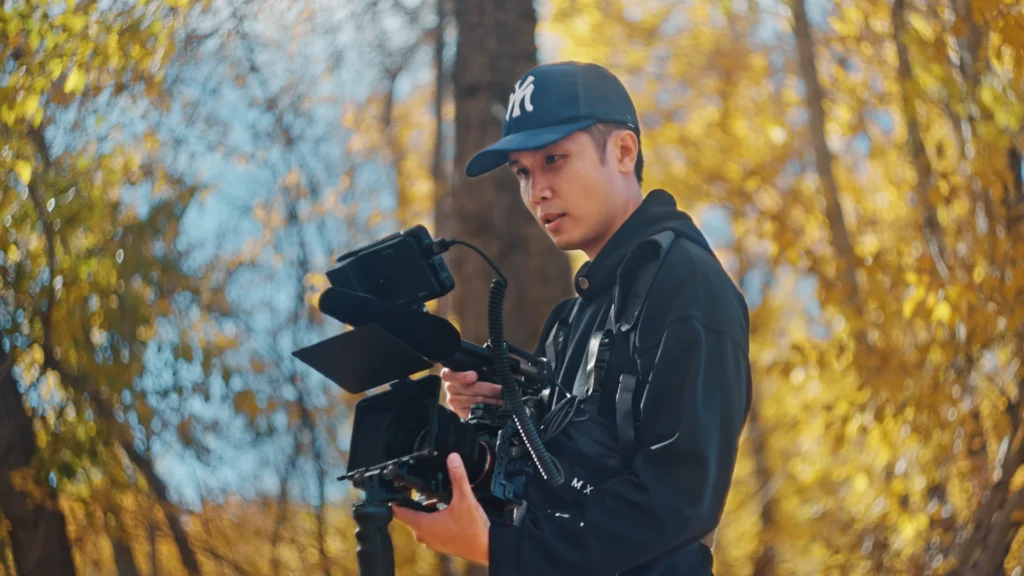
A good toolbox talk video script should be short, clear and action-focused. At Storimatic, we use a proven structure that fits most safety topics and ensures quick comprehension:
Step 1: Introduction (10–15 seconds)
Set the context and capture attention.
“Today’s toolbox talk is about preventing slips, trips and falls – the most common cause of workplace injuries.”
Step 2: Why It Matters (20–30 seconds)
Explain the relevance. Use short statistics or relatable stories.
“Every year, thousands of workers are injured because of unsafe walkways or poor housekeeping. These accidents are preventable.”
Step 3: Key Safety Points (60–90 seconds)
List the core actions or safety rules. Keep each point simple and visual.
- Keep walkways clear of cables or tools
- Clean up spills immediately
- Always wear non-slip footwear
Step 4: Real-Life Demonstration (30–45 seconds)
Show good and bad examples.
Demonstrates how small actions (e.g., rolling up cables) can prevent accidents.
Step 5: Summary and Call to Action (20–30 seconds)
End with a clear reminder.
“Stay alert, stay tidy, and help keep everyone safe. Safety starts with you.”
This simple formula ensures each toolbox talk video remains short, clear, and site-ready.
Toolbox Talk Video Scripts: Ready-to-Use Templates
Here are a few example templates you can adapt for your site videos. Storimatic can help you script, film and produce them concisely and professionally.
Template 1: PPE Safety
Title: PPE – Your First Line of Defense
Introduction:
“Today’s talk is about personal protective equipment or PPE and why it’s your first defense against injury.”
Why It Matters:
“Most workplace injuries could be avoided with the proper PPE. Wearing the right gear isn’t optional. It’s essential.”
Key Points:
- Always check your PPE before use
- Replace damaged helmets, gloves, or masks immediately
- Store PPE properly after your shift
Example Scene:
Show a worker refusing to wear eye protection → sparks fly → short rewind to proper PPE use.
Closing:
“PPE saves lives. Make it a habit, not a hassle.”
Template 2: Working at Heights
Title: Safe Work at Heights
Introduction:
“Falls from height are a leading cause of serious workplace injuries. Today we’ll cover how to stay safe when working above ground level.”
Key Points:
- Always inspect ladders and scaffolds before use
- Use fall protection equipment properly
- Keep tools secured to prevent falling objects
Example Scene:
Split-screen: unsafe ladder use vs. correct method.
Closing:
“Seat belts only work if you use them. Always wear them.”
Template 3: Manual Handling
Title: Lifting the Right Way
Introduction:
“Back injuries are common but preventable. Let’s look at how to lift safely.”
Key Points:
- Plan your lift before starting
- Keep your back straight and bend your knees
- Ask for help with heavy or awkward loads
Example Scene:
Compare a worker lifting improperly (back pain) vs. proper technique.
Closing:
“Lift with care, your back will thank you.”
Template 4: Electrical Safety
Title: Stay Current on Electrical Safety
Introduction:
“Electricity is powerful, yet very dangerous. A single mistake can cause burns, shocks, or worse.”
Key Points:
- Inspect cables for damage before use
- Don’t overload sockets or circuits
- Report faulty tools immediately
Example Scene:
Show a spark incident caused by damaged wiring.
Closing:
“Respect electricity. Double-check before you connect.”
Template 5: Housekeeping and Site Cleanliness
Title: Clean Site, Safe Site
Introduction:
“A clean workplace is not just about appearance, it is also about safety.”
Key Points:
- Remove waste regularly
- Keep materials organized
- Mark wet or hazardous areas clearly
Example Scene:
Fast-paced montage of cluttered vs. organized worksites.
Closing:
“Good housekeeping prevents accidents. Clean as you go.”
If you want to create an Effective Stakeholder Video, consider our Stakeholder Update Video for seamless on-site safety training integration.
5. Compliance and Best Practices
Toolbox talk videos must meet industry safety standards while remaining concise. Storimatic ensures your scripts and visuals align with:
- OSHA (Occupational Safety and Health Administration)
- ISO 45001 (Occupational Health and Safety Management)
- Local government safety codes
We collaborate with safety managers and compliance officers to review every line, ensuring all messaging is accurate, compliant, and site-ready.
Pro Tip: Update your toolbox talk videos regularly, especially when introducing new equipment, processes, or regulations.
6. Tips for Creating Engaging Toolbox Talk Videos
Even short videos need strong storytelling and visual impact. Here are a few of Storimatic’s expert production tips:
a. Keep it short
Aim for under 3 minutes per video. Focus on one topic only.
b. Use clear visuals and captions
Show real examples or animations. Always include subtitles for accessibility.
c. Feature real workers
Authentic footage connects better than generic stock clips.
d. Use narration and background sound wisely
A friendly, professional voice-over builds trust. Subtle background music keeps viewers attentive.
e. End with a strong message
End every video with a motivational call to action – something workers can repeat or remember.
“Safety is a habit. Start today.”
7. Common Mistakes to Avoid
| Mistake | Why It’s a Problem | How to Fix It |
|---|---|---|
| Overloading with text | Hard to follow | Use visuals and narration instead |
| Too long or unfocused | Loses attention | Keep under 3 minutes |
| Ignoring site-specific content | Reduces relevance | Customize each video to your site |
| Outdated safety info | Risk of non-compliance | Review annually |
| No subtitles | Accessibility issues | Add captions for all viewers |
8. Measuring Success
After releasing your toolbox talk videos, track their effectiveness through:
- Completion rates
- Feedback forms
- Incident reports
- Supervisor evaluations
These insights help you refine future scripts and measure ROI on your training investment.
9. Why Choose Storimatic Studio for Toolbox Talk Videos
At Storimatic, we combine creative video storytelling with deep industry knowledge to produce professional safety videos that work in real jobsite conditions.
Our services include:
- Script development (short, clear, compliant)
- On-site filming or animated production
- Voice-over, captions, and branding integration
- Localized versions for multilingual teams
We’ve helped construction firms, factories, and logistics companies create training content that improves safety awareness and compliance while saving time on repetitive briefings.
Storimatic videos speak your workers’ language visually, clearly, and effectively.
Conclusion: Build a Safer, Smarter Workplace
Toolbox talks are one of the most powerful tools for maintaining safety, but only if the message is delivered well.
By turning traditional talks into short, clear, and engaging videos, your company can improve attention, retention, and compliance across every site.
Because OSHA requires that employees be trained on hazard awareness and safe work practices, toolbox talk videos help you deliver consistent, compliant messaging every time. For more on OSHA’s training obligations, see their Training Requirements and Resources page.
At Storimatic Studio, we help businesses transform safety communication through Corporate Videos that works.
We help businesses transform safety communication through video.
Start with Storimatic Studio today to create your own toolbox talk video series, customized for your site, your team, and your safety goals.
Frequently Asked Questions
What is a toolbox talk video?
A toolbox talk video is a short, focused safety video that delivers a single workplace safety topic clearly and consistently, replacing or supporting traditional in-person toolbox meetings.
How long should a toolbox talk video be?
Most effective toolbox talk videos run 2 to 4 minutes: long enough to cover the key safety points and a demonstration, short enough to hold attention on a busy job site.
What topics work best for toolbox talk video scripts?
High-frequency safety topics like PPE, working at heights, manual handling, electrical safety, and housekeeping make ideal, reusable toolbox talk scripts.
Related Articles
- Equipment Operator Training Videos: Filming, SMES, And Assessment
- Safety Training Videos for Calgary's Construction & Industrial Sectors
- Making Safety Video: Structure, Compliance And Commitment
- 15 Types of Marketing Videos Every Business Should Create
Sources & Further Reading

Written by
Jared Ho
Founder of Storimatic Studio in Calgary. Video production specialist for businesses, with a focus on the construction industry, delivering 750+ projects and 20M+ views for clients. Services include construction video production, corporate video, training video, brand storytelling, and aerial drone footage. Drone-licensed and on-site at every shoot.
Ready to turn this into a video that wins business?
View Calgary Training Video Production →