Testimonial videos are one of the most powerful trust-building tools a brand can use. In a world where buyers are skeptical and competition is fierce, hearing real customers share real experiences can instantly influence decisions. But here’s the catch—testimonial videos only work if they’re done right. Even small mistakes can disrupt the story, harm credibility, or reduce viewer engagement.
Key Takeaways
- The most common testimonial video mistakes are poor audio and lighting, over-scripting, and no story structure.
- 98% of people read or watch reviews before buying, so credibility errors cost real sales.
- Other mistakes: wrong customer, video too long, no B-roll, and no publishing optimization.
- Fix them with the Problem-Solution-Results framework and professional production in 2026.
In this guide, we’ll break down the most common testimonial video mistakes businesses make, explain why they matter, and show you exactly how to avoid them. Whether you’re a business owner, a marketing manager, or a company looking to elevate your video content, these insights will help you create powerful testimonials that actually convert.
Why Testimonial Videos Matter More Than Ever
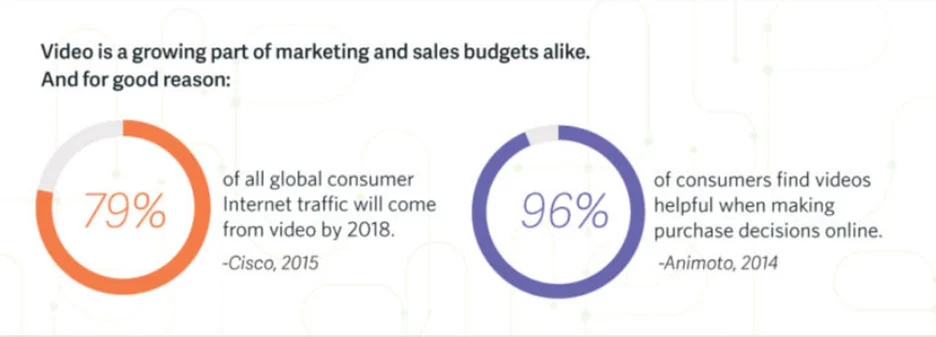
Customer trust has become the ultimate currency. According to BrightLocal, 98% of people read reviews before purchasing, and video testimonials are even more persuasive because they show real emotions, real faces, and real results. Testimonial videos also help reduce buyer hesitation, making them ideal for SaaS companies, service providers, e-commerce brands, and corporate organizations trying to boost conversions.
The Role of Trust in Modern Buying Behavior
Buyers no longer rely solely on brand claims—they rely on proof. Testimonial videos offer something written reviews can’t fully capture: authenticity through voice, tone, and facial expression. Real customers endorsing your product on camera gives viewers confidence that your solution works.
Why Small Mistakes Lead to Big Losses
Even a minor flaw—such as bad audio or confusing structure—can cause viewers to lose interest or question the credibility of the speaker. Testimonial videos are meant to feel honest, polished, and trustworthy. Poor execution does the opposite.
Data-Backed Benefits of Effective Testimonial Videos
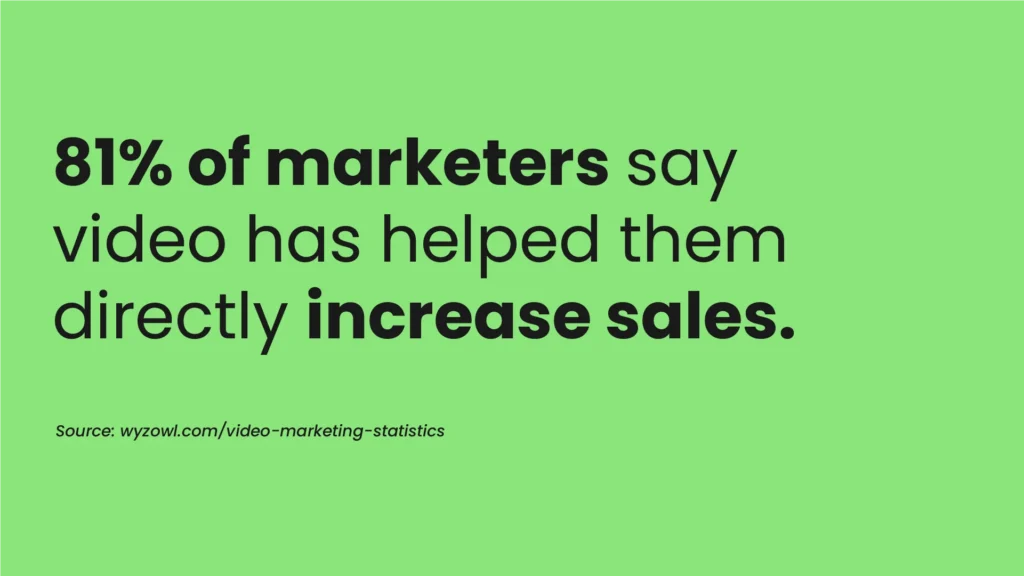
- 72% of customers say they trust a business more after watching a testimonial video.
- Adding testimonials to landing pages can boost conversions by 15–35%.
- Videos featuring real customers see up to 3x higher engagement compared to brand-led videos.
But to achieve these results, you must avoid the mistakes that hold most brands back. Let’s dive into them.
Mistake #1: Choosing the Wrong Customer to Feature
Selecting a customer for your testimonial isn’t just about finding someone who loves your product—it’s about choosing someone who can communicate a relatable, compelling story. Many brands overlook this and end up with testimonials that feel vague, unstructured, or unconvincing.
Why “Happy” Doesn’t Always Mean “High-Impact”
A happy customer is great, but a high-impact testimonial comes from someone whose journey clearly demonstrates transformation. The best testimonial subjects are:
- Clear communicators who speak confidently on camera
- Representatives of your target audience
- People with a strong “before and after” story
For example, featuring a long-time customer who only says, “We love the service,” is far less powerful than someone who says, “Our onboarding time dropped by 40% after switching to your software.”
Customer Fit vs Story Fit
Always choose a customer whose story aligns with your marketing goals. If you’re promoting customer service, pick someone who experienced exceptional support. If you’re targeting corporate clients, pick a business leader with authority.
Red Flags When Selecting the Speaker
- They struggle to articulate their thoughts
- They have limited experience with your product
- They are uncomfortable being on camera
You want authenticity—but you also want clarity and confidence.
When videos matter for growth, every detail counts
Mistake #2: Poor Audio and Lighting Quality
If there is one testimonial video mistake that instantly harms credibility, it’s poor audio. Viewers may forgive average visuals, but they won’t tolerate unclear sound. In fact, psychology studies show that viewers judge the competence of a speaker based on audio quality alone.
Why Bad Audio Is Worse Than Bad Video
When audio is muffled, echoey, or filled with background noise, viewers must work harder to understand the message. This increases mental load and reduces trust. Poor audio makes the speaker appear less confident—even if their message is excellent.
Simple Fixes for Clean, Clear Audio
- Use a lavalier or shotgun microphone (never the camera mic)
- Record in a quiet, controlled environment
- Add acoustic treatments if the room is echoey
- Monitor audio with headphones during recording
These small adjustments create professional-quality sound instantly.
Professional Lighting Tips for Authentic Atmosphere
Lighting shapes mood, clarity, and professionalism. Good lighting doesn’t need to be cinematic—it needs to be clean, soft, and flattering. Use these quick tips:
- Aim for soft, natural-looking light (avoid harsh shadows)
- Position your key light at 45 degrees from the subject
- Use a backlight to add depth and separation
- Avoid mixing different color temperatures
Even a simple three-point lighting setup can elevate your testimonial from amateur to polished.

Maximize video impact, minimize costly mistakes.
Mistake #3: Over-Scripting the Testimonial
One of the biggest testimonial video mistakes companies make is giving customers a strict script. This results in delivery that feels forced, robotic, and unnatural—exactly what you want to avoid when you’re trying to build trust.
Natural Delivery vs Forced Speech
Testimonial videos work best when customers speak authentically. Over-scripting:
- Destroys natural emotion
- Makes the speaker appear less credible
- Creates awkward pauses and stiff delivery
Instead of handing your customer a script, guide them with structure and open-ended questions.
How to Prepare Without Over-Coaching
Give your customer a simple outline of what to talk about:
- Their problem before finding your product
- Why they chose your brand
- The results they achieved
This keeps the message clear while preserving authenticity.
Question Techniques That Spark Authentic Emotion
Use interview-style prompts instead of scripted lines. Powerful examples include:
- “What was the moment you realized the product was working?”
- “How does your day-to-day look now compared to before?”
- “What would you tell someone considering our service?”
These questions naturally produce rich, compelling storytelling.
Mistake #4: Missing a Clear Story Structure
Many testimonial videos fall flat because they lack structure. Without a logical flow, viewers struggle to follow the narrative or understand the real impact of your product.
The “Problem → Solution → Results” Framework
This simple three-step approach is one of the most effective storytelling formulas:
- Problem: What challenge or pain point did the customer face?
- Solution: How did your product solve that challenge?
- Results: What measurable or emotional benefits did they gain?
It creates a natural arc that keeps viewers engaged from start to finish.
Forgetting the Before-and-After Impact
A great testimonial makes transformation clear. Make sure the speaker highlights specific changes:
- Time saved
- Money saved
- Stress reduced
- Business improvements
Using Emotional Hooks to Increase Engagement
Emotion is what makes stories memorable. Ask the customer how the change made them feel. Statements like “I finally felt in control again” resonate far deeper than facts alone.
Mistake #5: Making the Video Too Long
(Continue in the second half…)
Ideal Testimonial Video Length (Based on Purpose)
Attention spans are short, and viewers make decisions quickly. While there’s no one-size-fits-all duration, research and industry experience suggest the following guidelines:
- 30–45 seconds: Perfect for ads, landing pages, and social media.
- 60–90 seconds: Ideal for product pages or SaaS onboarding flows.
- 2–3 minutes: Best for corporate stories or detailed case studies.
The goal is to deliver clarity and impact—without unnecessary filler.
When Longer Videos Still Work
Long-form testimonials can still be effective when viewers are intentionally researching your brand. For example, B2B prospects evaluating enterprise-level solutions often appreciate in-depth stories. In these cases, a 4–5-minute narrative can help close deals, as long as the video remains well-structured and continues delivering value.
Techniques to Keep Viewers Watching
- Cut out repetitive or irrelevant details.
- Use multiple camera angles to maintain visual interest.
- Incorporate B-roll that illustrates what the customer is saying.
- Keep pacing energetic with clean edits and tight storytelling.
A testimonial should feel engaging, not exhausting.

Mistake #6: Lack of B-Roll or Visual Context
A talking-head testimonial alone can feel dry and monotonous. Without supporting visuals, viewers struggle to connect emotionally or visualize the speaker’s experience. That’s why high-quality testimonial videos always include relevant B-roll footage.
Why Talking-Head Only Videos Underperform
Talking-head shots are essential, but they are not enough. Viewers need visuals that:
- Break monotony and increase engagement
- Show your product or service in action
- Add context to the customer’s story
- Reinforce emotions and results
Impact of Relevant B-Roll on Credibility
B-roll helps viewers see the speaker’s real environment, making the story more believable. For example, showcasing a customer using your software, walking through their facility, or interacting with your team builds authenticity and trust.
B-Roll Ideas for Different Industries
- SaaS companies: Screen recordings, team meetings, onboarding calls
- Construction & trades: On-site work, team collaboration, finished projects
- Healthcare: Patient interaction (with consent), facility walkthroughs
- E-commerce: Product usage, packaging, customer service moments
The key is to choose visuals that support—not distract from—the narrative.
Mistake #7: Failing to Optimize for Publishing
Even the most beautifully produced testimonial video won’t perform if it isn’t optimized for distribution. Many brands overlook simple but crucial steps that ensure maximum reach and engagement.
Missing Captions and Subtitles
Over 80% of online videos are watched with the sound off, especially on social media. Adding captions improves accessibility, boosts engagement, and keeps viewers watching longer.
Wrong Format for the Platform
Every platform has its preferred specifications. Common guidelines include:
- Horizontal (16:9): YouTube, websites, presentations
- Square (1:1): Instagram feed, Facebook
- Vertical (9:16): TikTok, Instagram Reels, YouTube Shorts
Exporting in the wrong ratio can lead to awkward cropping or poor viewing experience.
Forgetting Calls-to-Action and Tracking Links
Every testimonial video should include a clear CTA, such as:
- “Book a demo”
- “Schedule a consultation”
- “Try the product free for 14 days”
Adding tracking links also helps you measure video performance and ROI accurately.
How to Avoid All These Mistakes with Professional Help
Creating an impactful testimonial video requires a balance of storytelling, production quality, and strategic planning. That’s where working with a professional video production agency makes a massive difference.
Benefits of Working with a Testimonial Video Agency
- High-quality interviews guided by experienced directors
- Professional audio, lighting, and framing
- Structured storytelling that highlights transformation
- Full editing with B-roll, captions, color grading, and branding
- Optimized versions for every platform
What Storimatic Studio Provides
At Storimatic Studio, we specialize in creating powerful testimonial videos that elevate credibility and drive conversions. Our team handles everything from pre-production planning to capturing authentic customer stories to delivering polished, platform-ready videos.
Whether you need testimonial videos for SaaS, construction, corporate communications, or e-commerce, we bring the expertise and equipment needed to make your brand shine.
Comparison Table: Amateur vs Professional Testimonial Videos
| Criteria | Amateur Testimonial | Professional Testimonial |
|---|---|---|
| Audio Quality | Muffled, noisy, inconsistent | Crisp, clear, professionally recorded |
| Lighting | Poorly lit, shadows, uneven tones | Balanced, flattering, natural lighting |
| Story Structure | Random, unfocused, confusing | Clear “problem → solution → results” flow |
| B-Roll | None or irrelevant | Strategic visuals enhancing the story |
| Conversion Impact | Low trust, low engagement | High trust, persuasive, conversion-driven |
Conclusion — Create Testimonial Videos That Build Real Trust
When done right, testimonial videos can transform your marketing presence, strengthen your brand credibility, and significantly boost conversions. By avoiding common mistakes—poor audio, weak storytelling, wrong customer choices, lack of optimization—you set yourself up for videos that truly influence buying decisions.
Whether you’re creating your first testimonial or upgrading your existing approach, these tips will help you produce videos that look great, feel authentic, and deliver measurable results.
Ready to create powerful testimonial videos? Explore our comprehensive testimonial video services and E-commerce Testimonial Videos to bring these trends to life for your brand.
Contact Storimatic Studio today to bring your customer stories to life with high-quality, conversion-focused video production.
FAQ — Common Questions About Testimonial Video Mistakes
What’s the biggest mistake most brands make with testimonial videos?
Over-scripting or choosing the wrong customer. Authenticity matters more than perfection.
How long should a testimonial video be?
Most high-performing testimonial videos are 60–90 seconds, but long-form versions also work for detailed case studies.
How do I choose the right customer for a testimonial?
Select someone whose story reflects transformation, clarity, and alignment with your target audience.
Should testimonial videos be scripted?
No. Use structured prompts, not scripts. Let customers speak naturally.
How many testimonial videos does a company need?
Most brands benefit from 3–7 videos that cover different use cases or customer segments.

Written by
Jared Ho
Founder of Storimatic Studio in Calgary. Video production specialist for businesses, with a focus on the construction industry, delivering 750+ projects and 20M+ views for clients. Services include construction video production, corporate video, training video, brand storytelling, and aerial drone footage. Drone-licensed and on-site at every shoot.
Ready to turn this into a video that wins business?
View Calgary Testimonial Video Production →