

In today’s construction industry, timelapse videos have become more than just a creative way to capture progress—they are a valuable tool for documentation, stakeholder communication, and marketing. From skyscrapers rising over years to smaller renovation projects completed in months, construction timelapse brings these stories to life in a visually compelling way. However, creating a professional timelapse requires more than just setting up a camera. It involves strategic planning, careful camera placement, and consistent maintenance to ensure smooth results. To understand the bigger picture of how video fits in the industry, see What Is a Construction Video? Scope, Stakeholders, and Use Cases.
What Is a Construction Timelapse?
A construction timelapse is a video that condenses weeks, months, or even years of building activity into a short, captivating clip. Using specialized cameras that capture images at regular intervals, these videos provide a comprehensive view of a project’s lifecycle.
For example, a 20-story office tower that takes two years to complete can be presented in a two-minute timelapse, showcasing every phase of construction—from site clearing to final touches. This visual record not only appeals to the public but also serves as an essential tool for project managers, investors, and developers.
Common uses of construction timelapse include:
- Marketing and PR – Highlighting a project’s scale and quality to attract new clients or investors.
- Project documentation – Providing stakeholders with an accurate, visual record of progress. For additional methods, explore our guide on Progress Reporting Videos: How to Keep Owners and Teams Aligned.
- Community engagement – Sharing development milestones with local communities.
- Training and education – Using timelapse videos to teach future engineers and construction managers.
“Timelapse is one of the most powerful ways to tell the story of a construction project. It compresses time while preserving every important moment.” — John Miller, Construction Media Expert
Planning a Construction Timelapse
Before any camera is set up, the most important step is careful planning. Without a well-thought-out strategy, even the best equipment may fail to deliver professional results.
Define the Goals of the Timelapse Project
Not every construction timelapse is created for the same purpose. Clearly identifying your goals will guide every decision in the process:
- Marketing-focused timelapse: Prioritize aesthetic shots, smooth transitions, and creative angles to make the project visually appealing.
- Documentation and compliance: Capture wide coverage and continuous footage to provide a reliable record for stakeholders and legal documentation.
- Internal monitoring: Focus on camera placement that allows site managers to oversee logistics and progress remotely.
Understanding the primary purpose ensures that the Construction Timelapse serves its intended function rather than being a “nice-to-have” video with little value.
Timeline & Project Duration
The next factor is determining how long the project will take and how frequently images should be captured. The duration influences storage, power supply, and maintenance requirements.
For example:
| Project Type | Typical Duration | Recommended Capture Frequency |
|---|---|---|
| Small renovation | 3–6 months | Every 10–15 minutes |
| Medium-scale construction | 6–12 months | Every 15–20 minutes |
| Large-scale project (e.g., skyscraper) | 1–3 years | Every 20–30 minutes |
Choosing the right interval prevents the final video from being too choppy or unnecessarily long. A balance between frequency and efficiency is key.
For a structured approach to defining goals and expectations, review our Construction Video RFP Template Guide
Choosing the Right Equipment
The camera you choose will determine the clarity, reliability, and longevity of your construction imelapse. Standard DSLRs, dedicated timelapse cameras, and weatherproof all-in-one solutions are all viable options depending on the project’s scope.
Key considerations include:
- Weather resistance: Outdoor construction projects demand cameras that can withstand rain, dust, and extreme temperatures.
- Power supply: Long-term timelapses often rely on solar-powered systems or extended battery packs.
- Storage: High-capacity memory cards and cloud-based storage solutions prevent data loss.
- Connectivity: Remote monitoring capabilities allow teams to check camera status without visiting the site daily.
According to the Wyzowl 2024 Video Marketing Report, 91% of businesses say video helps them communicate complex information more effectively—timelapse is a prime example of this trend in construction.
Camera Placement for Construction Timelapse
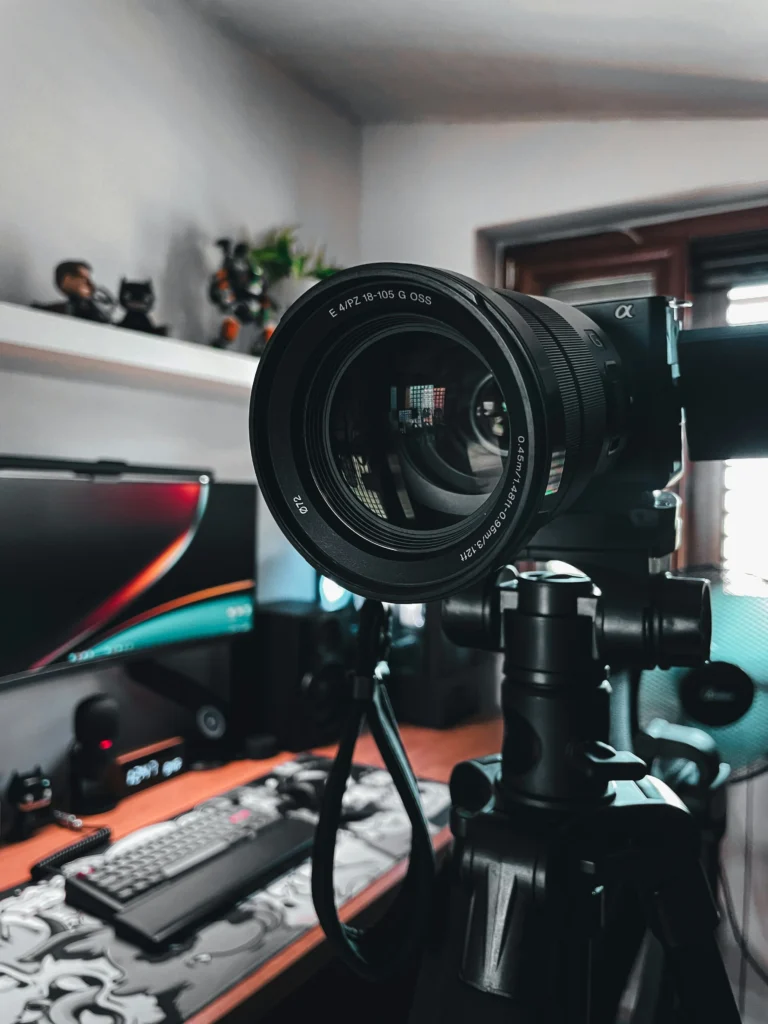
Even the best equipment won’t guarantee professional results if the camera is not placed strategically. Camera placement directly affects what story the timelapse tells.
Strategic Location Selection
Choosing the right location ensures that the camera captures the full scope of construction without missing critical activity. Ideally, cameras should be placed:
- At a high vantage point to capture wide coverage of the site.
- At a distance that includes the full project frame but avoids excessive empty space.
- With a clear line of sight, free from obstructions such as cranes, scaffolding, or temporary storage containers.
For example, on a residential housing development, cameras are often mounted on nearby buildings or purpose-built poles to secure a consistent angle throughout the project.
Safety & Security Considerations
Camera safety is just as important as positioning in construction timelapse. Construction sites are unpredictable environments where theft, accidents, and harsh weather can damage equipment. To minimize risk:
- Use tamper-proof housings to prevent unauthorized interference.
- Ensure cameras are mounted securely to withstand wind and vibrations.
- Consider lockable enclosures or cages for sites with higher risk of theft.
Capturing the Full Story
One camera may be enough for small projects, but larger or more complex builds often benefit from multiple angles. Wide-angle lenses can capture the full site, while zoom lenses highlight specific details such as foundation pouring or facade installation.
By combining both perspectives, stakeholders gain a richer understanding of the project’s progress. Multi-camera setups are particularly valuable for marketing campaigns where storytelling and visual appeal matter most.
Maintenance of Timelapse Equipment
Once the planning and placement are complete, the final challenge lies in keeping the timelapse equipment functioning smoothly for the entire Construction Timelapse project duration. Without regular care, even the best setup can fail, resulting in gaps or poor-quality footage.
Regular Site Visits
Routine inspections are essential to ensure that cameras remain in optimal condition. Over time, weather and construction activity can shift camera mounts or introduce dirt and debris onto lenses.
- Lens cleaning: Remove dust, rain spots, and debris to maintain image clarity.
- Alignment checks: Ensure cameras have not shifted due to vibration, wind, or accidental contact.
- Protective housing inspection: Look for cracks, leaks, or condensation inside weatherproof enclosures.
Power & Storage Monitoring
Power outages or full storage cards can interrupt timelapse sequences. To avoid these disruptions, teams should implement:
- Solar charging systems: Ideal for long-term projects in remote areas with limited power access.
- Extended battery packs: Provide backup during cloudy days or power fluctuations.
- Cloud-based storage: Automatically uploads captured images to a secure server, reducing the risk of data loss.
Troubleshooting Common Issues
Even with the best setup for construction timelapse, technical issues can arise. Common challenges include:
- Exposure problems: Overexposure in bright sunlight or underexposure during night scenes can be managed by adjusting settings or using cameras with auto-exposure features.
- Focus drift: Temperature fluctuations may affect focus; periodic checks prevent blurry frames.
- Weather damage: Storms, snow, or humidity may cause temporary outages—having redundant cameras can mitigate risk.
Benefits of Professional Construction Timelapse Services
While it is possible to set up construction timelapse independently, hiring professionals ensures reliability and quality. A professional service provider like Storimatic Studio brings specialized expertise and equipment to every project.
👉 Learn more about our construction video services to see how we can support your business needs beyond timelapse production.
Key benefits include:
- Consistency: Expert teams ensure cameras are maintained and monitored regularly.
- High-quality output: Professional editing transforms raw images into polished videos with branding, titles, and music.
- Time savings: Project managers and engineers can focus on construction while experts handle documentation.
- Marketing-ready visuals: A polished timelapse can enhance press releases, social media campaigns, and investor reports.
Case Study Example
Consider a two-year office tower project in downtown Calgary. The developer wanted to impress stakeholders and showcase progress publicly. Storimatic Studio set up multiple weatherproof cameras at strategic angles, with solar-powered systems and cloud storage to ensure uninterrupted footage.
By performing monthly maintenance visits and providing remote monitoring, the team captured over 300,000 frames without major interruptions. The final timelapse condensed two years of construction into a three-minute video, which was later featured in investor presentations and used in a public marketing campaign. The developer credited the timelapse with boosting investor confidence and improving community engagement.
Expert Tips for Best Results
Based on years of industry experience, here are some pro-level tips to make your construction timelapse a success:
- Plan with the end video in mind: Decide how the final video will be used before placing cameras.
- Prioritize durability: Invest in weatherproof and tamper-resistant equipment to avoid downtime.
- Use multiple perspectives: A combination of wide and close-up shots creates a more dynamic narrative.
- Don’t skip maintenance: A simple lens cleaning can make the difference between crisp footage and a ruined sequence.
- Rely on experts when needed: Professional services ensure you don’t miss critical milestones.
Conclusion
A successful construction timelapse relies on three key pillars: thorough planning, smart camera placement, and consistent maintenance. Together, these steps ensure smooth documentation, stunning visuals, and reliable project records. Whether your goal is marketing, stakeholder reporting, or compliance, a well-executed timelapse adds immense value to your project.
If you want peace of mind and professional-grade results, contact Storimatic Studio offers full-service timelapse solutions—from setup and monitoring to editing and delivery. Let us help you tell your project’s story in the most compelling way possible.
FAQs About Construction Timelapse
How long can a construction timelapse run?
Timelapse projects can run anywhere from a few weeks to several years. With proper planning and maintenance, cameras can capture multi-year projects without interruption.
What type of camera is best for timelapse?
Weatherproof timelapse cameras designed for long-term outdoor use are ideal. DSLRs or mirrorless cameras with protective enclosures are also common for high-quality results.
Can timelapse cameras run on solar power?
Yes, many long-term setups rely on solar panels combined with battery packs. This makes them sustainable and reliable, especially on remote construction sites.
How often should equipment be checked?
Monthly checks are recommended for most projects. However, high-risk environments may require more frequent inspections to prevent downtime.
What are the costs of a professional timelapse service?
Costs vary depending on project length, number of cameras, and editing requirements. On average, professional services range from a few thousand dollars for short-term projects to higher investments for multi-year developments. However, the return in stakeholder trust and marketing value often outweighs the cost.


